
By Onambani Jules, Radio Director
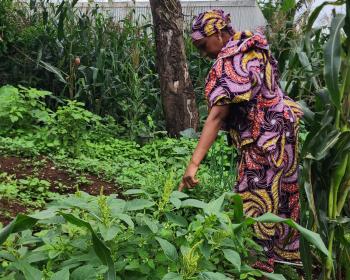
In the lush, forested region of southern Cameroon, the Indigenous Bagyeli and Bakola communities, with a combined population of around 2,500, face growing threats to their ancestral lands and traditional way of life. Scattered across the Ocean department, these communities have long relied on the forest for their livelihoods and cultural identity. However, the encroachment of agribusiness, logging, and development projects has led to widespread deforestation and land grabbing, jeopardizing their existence.
By Reynaldo A. Morales
Indigenous Mbororo Peoples, nomad pastoralists practicing transhumance from time immemorial, remain in a legal limbo, continually displaced under jurisdictional movement in the regions of West and Central Africa. With thousands of deaths related to farmer-herder skirmishes recorded in the past two decades, the realities of climate change and the resulting massive loss of biodiversity exacerbate major security and economic challenges on the ground.
The advancement in retention and fortification strategies for the conservation of cultural practices, community structures, and specific environmental practices by Indigenous communities can be seen everywhere.
Singapore-based rubber company Halcyon Agri, and its subsidiary in Cameroon, Sudcam, have been exposed in a report released by Greenpeace in July 2018 as extremely dangerous to the Indigenous Baka community and a local wildlife reserve.
New evidence uncovered by the Oakland Institute shows that the US government may have played a role in Cameroon's extending a concession to American palm oil company Herakles Farms in 2013.

Land Acknowledgement
We acknowledge that we are headquartered on Massachusett land, in Cambridge, MA, and we thank the past, current, and future Indigenous stewards of this territory.