By Lucas Kasosi (Maasai, CS Fellow)
Each year on February 2, the world observes World Wetlands Day, marking the 1971 adoption of the Convention on Wetlands in Ramsar, Iran. What began as a modest international agreement has grown into a global framework for recognizing the ecological, social, and economic importance of wetlands, ecosystems once dismissed as wastelands, but now understood as essential to life on Earth.
Wetlands cover only a small fraction of the planet’s surface, yet they underpin the global water cycle. Marshes, peatlands, mangroves, rivers, floodplains, and deltas regulate floods and droughts, purify water, recharge groundwater, sustain fisheries, and protect coastlines from storms. They are among the most productive ecosystems in the world, supporting biodiversity, food systems, and livelihoods for more than a billion people.
Despite this recognition, wetlands are disappearing at an alarming rate. Since 1970, more than a third of the world’s wetlands have been lost, degraded, or drained, vanishing three times faster than forests. Pollution, extractive industries, large-scale infrastructure, agricultural expansion, and urban growth continue to place immense pressure on these fragile systems. The consequences are already visible: worsening floods, water scarcity, collapsing fisheries, and heightened vulnerability to climate change.
World Wetlands Day was established to confront this crisis. It calls on governments, institutions, and societies to protect wetlands not only for biodiversity, but for human survival. In recent years, the observance has increasingly emphasized the links between wetlands, climate action, water security, and sustainable development. Yet one critical dimension has long remained at the margins of this global conversation.
That dimension is Indigenous Peoples.
Wetlands as Ancestral Territories
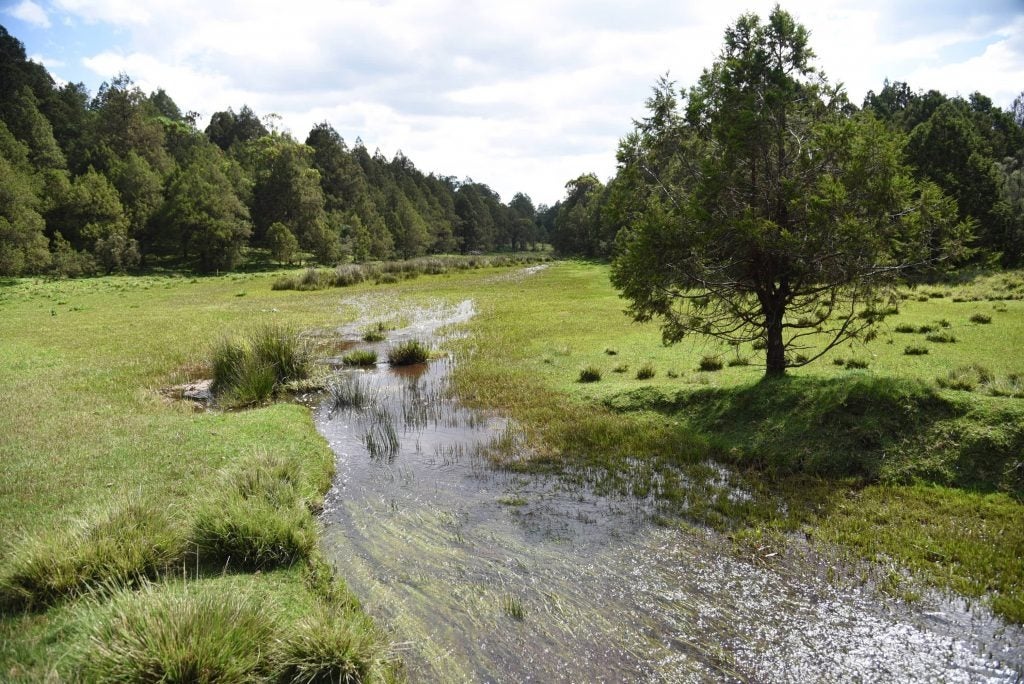
Mau Forest wetlands, sacred spaces for initiation rites among the Ogiek and Maasai, remain vital to culture, identity, and community survival. Image Courtesy.
For many Indigenous communities, wetlands are not simply ecosystems to be conserved. They are ancestral territories, shaped and sustained through generations of careful governance. Long before wetlands entered international policy frameworks, Indigenous Peoples were already managing water flows, regulating harvests, protecting sacred sites, and maintaining ecological balance through customary law.
The 2026 theme, “Wetlands and Traditional Knowledge: Celebrating Cultural Heritage,” reflects a growing realization that conservation cannot succeed without acknowledging this history. Traditional knowledge is not an add-on to wetland management; it is one of its oldest and most effective foundations.
Indigenous Peoples make up a small percentage of the global population, yet their lands and waters encompass a significant share of the world’s remaining biodiversity. This is particularly true for wetlands, which often survive precisely because they have been governed through Indigenous systems of responsibility, restraint, and reciprocity.
These knowledge systems are built on close observation of seasonal changes, animal behavior, and water dynamics. They encode ecological limits into social norms and cultural practice. Elders read changes in bird migrations as indicators of ecosystem stress. Fishers know when not to fish. Pastoralists understand how wetlands sustain dry-season grazing without being exhausted. This is governance rooted in lived relationship, not abstraction.
Wetland Loss and Cultural Survival
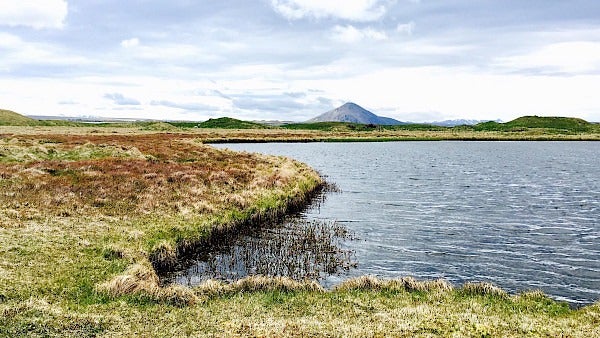
Arctic Wetland. Photo: Victoria Qutuuq Buschman.
When wetlands are destroyed, the loss extends far beyond environmental degradation. Wetland destruction undermines food systems, water access, health, and livelihoods. It disrupts ceremonies, erodes languages, and fractures the intergenerational transmission of knowledge. In this way, wetland loss becomes a cultural survival issue.
Too often, wetlands are declared protected areas or development zones without the consent of the Indigenous Peoples who depend on them. Traditional livelihoods are restricted or criminalized. Communities are displaced in the name of conservation or economic growth. These practices contradict international human rights standards, including the UN Declaration on the Rights of Indigenous Peoples (UNDRIP), which affirms Indigenous Peoples’ rights to their lands, waters, knowledge systems, and self-determination.
Conservation efforts that exclude Indigenous authority often fail to protect wetlands in the long term. Where Indigenous governance is weakened or removed, ecosystems become more vulnerable to exploitation and degradation. Where Indigenous rights are respected, wetlands are more likely to remain resilient.
Traditional Knowledge and Climate Resilience
As climate change accelerates, wetlands are increasingly recognized as natural buffers against extreme weather, water scarcity, and rising seas. Peatlands store vast amounts of carbon. Mangroves protect coastal communities from storms. Floodplains absorb excess water during heavy rains. These functions are now central to global climate strategies.
Indigenous traditional knowledge plays a critical role in sustaining these climate functions. It offers a detailed, place-based understanding of hydrological cycles, seasonal variability, and ecosystem thresholds, knowledge that is essential for adaptation in a rapidly changing climate. When Indigenous knowledge is respected and combined with scientific approaches, wetland management becomes more responsive, equitable, and effective.
However, this knowledge must not be extracted or instrumentalized. Indigenous Peoples are not data sources for externally designed solutions. Their knowledge systems are inseparable from their rights, governance structures, and relationships to land and water.
From Recognition to Responsibility
The inclusion of traditional knowledge in global wetland discourse marks an important step forward, but recognition alone is insufficient. For decades, Indigenous knowledge has been acknowledged in principle while Indigenous authority has been denied in practice. World Wetlands Day 2026 must therefore represent a shift from symbolic inclusion to meaningful responsibility.
This shift requires governments and conservation institutions to confront uncomfortable truths. Protecting wetlands cannot be achieved through top-down policies that ignore Indigenous tenure. Climate strategies that rely on wetlands will fail if they undermine the communities who have sustained them. Genuine partnership means sharing power, respecting Indigenous jurisdiction, and accepting that conservation outcomes improve when Indigenous Peoples lead.
Responsibility, in this context, means aligning wetland governance with Indigenous rights. It means ensuring that decisions about wetlands are made with the full, free, and informed participation of Indigenous Peoples. It means directing resources to Indigenous-led conservation efforts, rather than channeling them exclusively through external institutions. Most importantly, it means recognizing that Indigenous governance is not a threat to conservation, but one of its strongest safeguards.
The Future of Wetlands Is Indigenous
For Indigenous Peoples, wetlands are not resources to be managed; they are relationships to be honored. They are places of memory, obligation, and continuity. Their survival is inseparable from the survival of the cultures that have cared for them.
As a pastoralist, I understand water not as property, but as life itself. When wetlands are healthy, communities are resilient. When communities are respected, conservation endures.
On this World Wetlands Day 2026, the message is clear:
There is no sustainable future for wetlands without Indigenous Peoples.
Protecting wetlands requires more than global recognition. It requires respect for Indigenous sovereignty, knowledge, and responsibility, because wetlands survive where Indigenous Peoples are free to govern them.