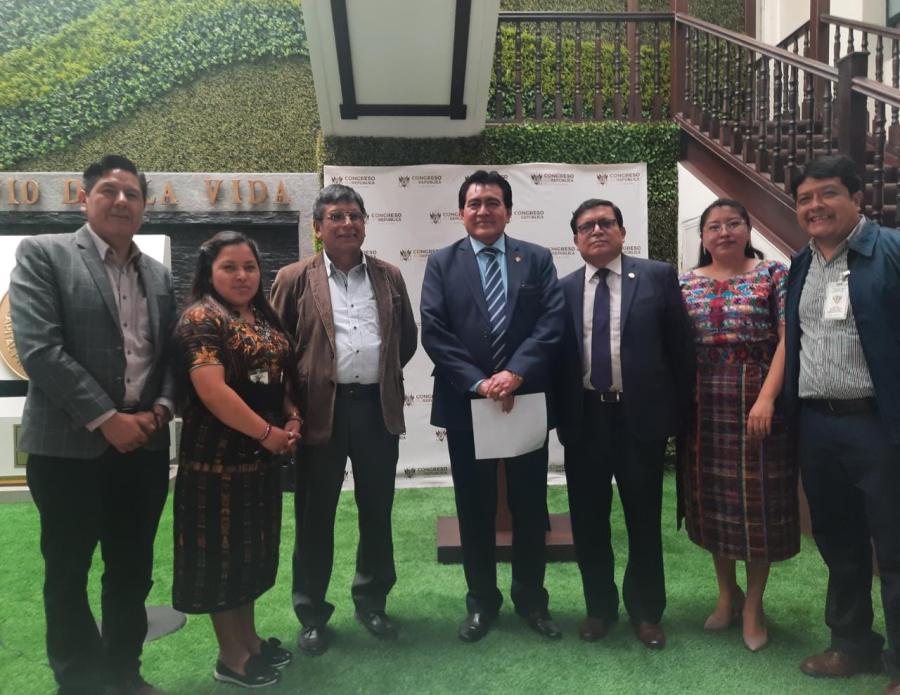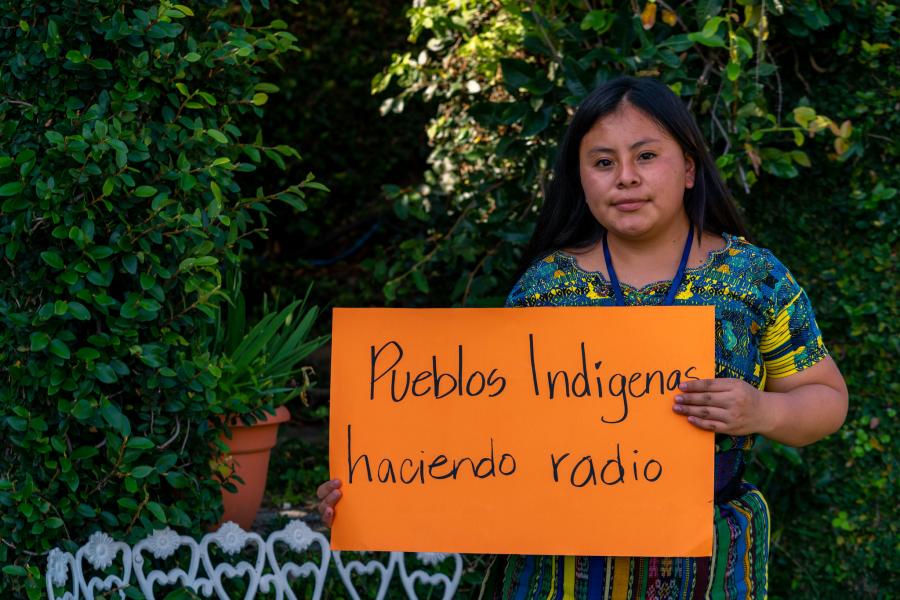
In October 2025, four Indigenous communities in Guatemala—Maya Kaqchikel de Sumpango, Maya Achí Chicaj, Mam de Cajolá, and Maya Mam de Todos Santos Cuchumatán—submitted an alternative report to the Committee on the Elimination of Racial Discrimination (CERD), with support from the Human Rights and Indigenous Peoples Clinic at Suffolk University Law School and Cultural Survival. The report highlights Guatemala’s continued failure to comply with the landmark 2021 ruling of the Inter-American Court of Human Rights in the Case of the Maya Kaqchikel Indigenous Peoples of Sumpango et al. v. Guatemala, the first case to affirm Indigenous Peoples’ rights to freedom of expression, media, culture, and equality before the law.
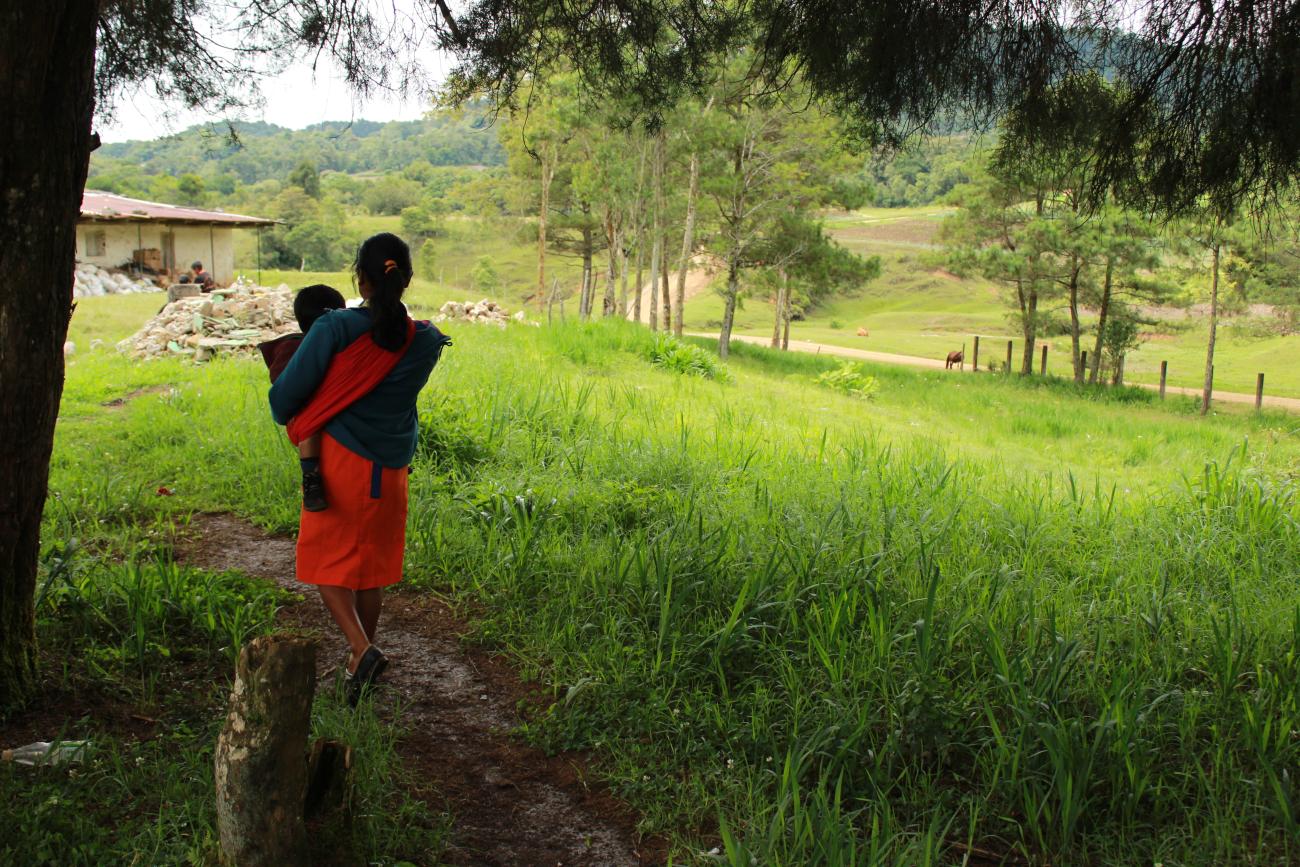
Guatemala is home to a large Indigenous population. According to the 2023 census, approximately 43.75% of the country’s 17.6 million people are Indigenous, including Maya, Xinka, Garifuna, and Creole or Afro-descendant Peoples. Yet despite their demographic significance and constitutional recognition, Indigenous Peoples in Guatemala experience persistent structural discrimination, with disproportionately high levels of poverty (75%), malnutrition (58%), political underrepresentation, and unequal access to services and media platforms.
In this context, community radio plays a particularly vital role. With many Indigenous Peoples residing in rural areas, radio is often the primary and sometimes the only form of communication available. Community stations broadcast in Indigenous languages, share local news and cultural knowledge, mobilize communities in times of emergency, and sustain intergenerational cultural continuity. They ensure that Indigenous Peoples have access to information that speaks directly to their realities.
However, Guatemala’s General Telecommunications Law (LGT), adopted in 1996, has made it virtually impossible for Indigenous communities to operate radio stations legally. Under the LGT, all radio frequencies must be allocated exclusively through public auctions, awarded to the highest bidder, with no category reserved for community radio. This framework, as a result, has created a de facto ban on Indigenous community radio, leading the State to treat Indigenous community radio stations as “illegal”. For years, dozens of stations have endured raids, confiscation of equipment, criminal charges, and a pervasive climate of fear that continues to silence many broadcasters.
Amid stalled implementation of the Peace Accords and ongoing barriers under the LGT, Cultural Survival filed a lawsuit in 2011, arguing that Guatemala’s licensing system denied Indigenous communities real access to the radio spectrum. But in 2012, the Constitutional Court upheld the law as constitutional, leaving no effective remedy within the country. With domestic options exhausted, the four communities and NGOs took their case to the Inter-American human rights system. In its December 2021 judgment, the Inter-American Court ruled that Guatemala had violated their rights to freedom of expression, culture, and equality. The Court ordered the State to implement a series of urgent reparations, including: recognizing Indigenous community radio in national legislation; allowing affected communities to operate their stations freely; reserving part of the radio spectrum for Indigenous Peoples; immediately ending criminalization and raids; and annulling all past convictions related to community radio and its operators.
Nearly four years later, the communities report that the State has made almost no meaningful progress. To date, only two minor reparations have been completed—the publication of the ruling and partial financial compensation. None of the structural reforms necessary to prevent the recurrence of these violations have been implemented.
Although the Court ordered Guatemala to take immediate measures enabling communities to operate their stations freely, the State has failed to do so. In 2024, the government offered a temporary “right of use” to two FM frequencies, but with restrictions that undermined autonomy, including a one-year validity period, unilateral revocation by the State, and content controls. After months of negotiations over the government’s restrictive conditions, the terms remained unacceptable to the communities, and the offer collapsed in April 2025. No further progress has been made since.
Despite the Court’s directive and CERD’s earlier concerns raised in the 2019 review, Guatemala has not adapted its telecommunications laws. The only major attempt to amend Guatemala’s telecommunications law was Initiative 4087, introduced in 2009 to legally recognize community radio—which has been stalled in Congress since 2016, with no progress for nearly a decade. A 2022 draft law (Bill 5965) was developed without consultation and did not include clear definitions, licensing pathways, or reserved spectrum for community radio. Another legislative proposal mentioned by State representatives in late 2024 was again shared without consultation, indicating ongoing exclusion of Indigenous Peoples from critical decision-making.
Guatemala continues to claim that it cannot consult Indigenous communities because it has not yet adopted a national consultation law. This argument contradicts international and regional jurisprudence. To date, the State has presented no timeline, mechanism, or plan to guarantee meaningful participation in consultation processes.
Criminalization of Indigenous radio operators also remains unresolved. The Inter-American Court has explicitly ordered Guatemala to annul past convictions and clear the criminal records of radio operators; however, no mechanism has been established to implement this directive. This ongoing lack of accountability, combined with the legacy of raids, equipment seizures, prosecutions, and public stigma, continues to create a climate of fear that restricts freedom of expression and discourages community participation.
The report underscores that Guatemala remains in continued violation of multiple obligations under the International Convention on the Elimination of All Forms of Racial Discrimination (ICERD) and the UN Declaration on the Rights of Indigenous Peoples (UNDRIP). Articles protecting cultural participation, freedom of expression, and nondiscrimination require States to eliminate laws that perpetuate racial discrimination—including those restricting Indigenous Peoples’ access to media and communication platforms. Guatemala also holds binding commitments under the International Telecommunication Union (ITU) to ensure transparent, inclusive, and equitable spectrum management. Its non-compliance further deepens the structural discrimination faced by Indigenous communities.
The submitting communities, supported by the Human Rights and Indigenous Peoples Clinic at Suffolk University Law School and Cultural Survival, urge the Committee to intervene with the following recommendations to Guatemala:
- Adopt a legal framework that recognizes and regulates Indigenous community radio as a distinct means of communication and simplifies the licensing process for these stations;
- Establish transparent, inclusive, and meaningful consultation processes to guarantee Indigenous Peoples equal participation in law reform and access to the radio spectrum;
- Provide legal recognition for the four affected communities’ radio stations to operate their stations without interference or criminal prosecution while domestic reforms are underway;
- Annul all criminal convictions against Indigenous radio station staff and issue a public directive prohibiting any further raids or prosecutions, with clear consequences for officials who violate it;
- Implement equitable spectrum management practices, including spectrum mapping and reserving frequencies for Indigenous community radio.